Should Tampa Bay Homeowners Switch to a Tankless Water Heater?
If you live in the Tampa Bay Area and are planning water heater installation, you have likely wondered whether a tankless model is the smarter move. This guide explains how tankless systems work, where they shine in Florida homes, where they may fall short, and how to decide what fits your household. Our goal is to help you make a confident choice before you call a plumber or schedule an in-home estimate with Accurate Plumbers Of Florida Inc.
Why Tampa Bay Is Rethinking Water Heaters
Homes across Tampa, St. Petersburg, Clearwater, Largo, Brandon, and Wesley Chapel are changing fast. Families want more space, lower monthly energy use, and steady hot water during busy mornings. Because our groundwater arrives warmer than in northern states, tankless units do not have to work as hard to lift the water temperature. That can improve real-world performance here compared to colder climates. At the same time, our mix of older bungalows, newer construction, and townhomes means not every property has the same gas supply, venting route, or electric panel capacity. The right choice balances comfort, safety, and long-term reliability.
What A Tankless Water Heater Does
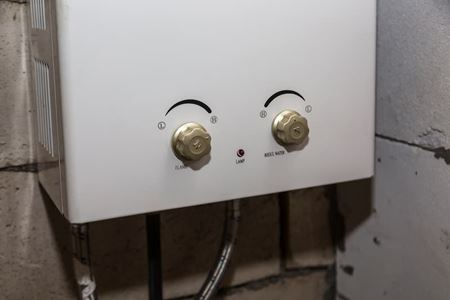
A tankless water heater warms water only when a tap opens. Cold water moves through a heat exchanger, usually fired by natural gas or powered by electricity, and exits at a set temperature. There is no storage tank constantly reheating water. Think of it like a roadway toll system: water flows, the burner or elements switch on, and you pass through. When you close the tap, the system rests until the next demand. For many Tampa Bay households, this on-demand approach saves space and can reduce standby energy use, which traditional tanks consume to keep a large cylinder hot all day.
Pros For Tampa Bay Homes
Tankless systems offer several advantages that line up well with Florida living. Homeowners often highlight these benefits during water heater replacement conversations:
- Endless hot water for long showers or back-to-back routines, as long as the unit is sized for your peak flow.
- Wall-mounted design that frees up floor space in a garage, utility closet, or laundry room.
- Less standby energy use since water is not stored and reheated all day.
- Long service life when maintained correctly, spreading value over more years.
- Lower risk of a large tank leak that can damage flooring and stored items.
Because incoming water in the Tampa Bay Area is relatively warm most of the year, many families see consistent performance without the winter slowdowns that can affect the coldest regions. That local factor can make the upgrade more attractive here.
Potential Drawbacks of Florida Houses
No system is perfect for every home. Before you switch, consider the following limitations and what they might mean for your property:
- Upfront work may include changes to gas piping, venting, or electrical capacity, which vary by home layout and age.
- Minimum flow is required to turn the unit on, so trickle-flow at a sink may not activate some models.
- Hard water in parts of Florida can create scale, so routine flushing and filtration are important for longevity.
- During a power outage, most tankless units do not operate unless you have a backup power source.
- Simultaneous heavy demand, like two showers plus laundry, may require a larger unit or a multi-unit design.
Understanding these tradeoffs is the first step. The next step is matching them to your household's actual hot water patterns.
Will a Tankless Water Heater Keep Up With Your Household?
Capacity is the heart of the decision. A tankless heater must meet your home's maximum expected flow rate at a comfortable temperature. Picture a busy morning in South Tampa or Seminole Heights. One person runs a shower, another starts the dishwasher, and someone else washes their hands. The combined gallons per minute add up fast. A properly sized tankless model is chosen to handle that peak, not just the average.
Start by listing typical overlaps for your family. Bathrooms used at the same time, laundry habits, and how often you host guests all play a role. Larger, multistory homes in Carrollwood or New Tampa may push higher simultaneous demand than a condo near Downtown St. Pete. If your peak use is modest, on-demand heating often feels like a luxury upgrade. If your peak is high, a correctly sized unit or a paired system can deliver steady comfort without the wait.
Local insight: In many Tampa Bay homes, adding a hot water recirculation option on a compatible tankless can shorten wait times to distant bathrooms. Ask about timer- or demand-based setups to reduce water waste while keeping response times quick.
Gas Versus Electric Tankless In The Tampa Bay Area
Both fuel types can work well here, but they fit different homes:
Gas tankless models are common in neighborhoods with natural gas service. They offer high heating capacity in a compact package. Installation often includes a new vent route and a condensate drain for high-efficiency units. The gas supply line must be sized to meet the unit's demand, which your plumber will evaluate during a site visit.
Electric tankless units avoid combustion and venting. They can be a match for all-electric houses or areas without gas service. Many electric models require significant amperage and multiple dedicated breakers. Your main panel size and available capacity determine what is feasible. When the panel is tight, a hybrid approach or a high-efficiency tank may be considered instead.
Maintenance And Water Quality Considerations
Florida's mineral content varies by city and even by street. Scale can collect inside heat exchangers and fittings over time. That is why routine service is not optional for long life. A professional flush and inspection schedule helps keep efficiency and temperature stability consistent year after year.
Annual maintenance matters in our region. Many homeowners pair a tankless water heater with a sediment filter or water treatment system to slow scaling. This makes it easier to maintain temperature control, reduces stress on internal parts, and can help protect your investment. Your plumber can show you where the service valves are and explain the typical maintenance cycle so you always know what to expect.
When A Traditional Tank Still Makes Sense
Although tankless technology is impressive, a standard tank can be the better call for certain homes. If your electric panel has no room for added load, or your gas route would be very complex, staying with a high-efficiency tank may be the more practical move. Some townhomes and condos also limit venting options or equipment placement, which can steer the decision. Households with very high simultaneous demand might choose a larger tank with a fast recovery time, or a hybrid heat pump tank, to balance comfort and installation complexity.
How To Decide: A Simple Checklist
Use this quick set of questions to narrow your choice before you book a visit:
- Do two or more showers run at once regularly?
- Is your home set up for natural gas, or is it all electric?
- How much space do you want to reclaim in your garage or utility closet?
- Is your main electric panel large enough for future upgrades, not just today's needs?
- Would a hot-water recirculation option help distant bathrooms heat up faster?
Bring your answers to a consultation so your plumber can accurately size options. The more specific your daily routine, the more precise the recommendation.
What To Expect During Professional Installation
Every home is different, but the process generally follows a clear plan. First comes a site evaluation to check placement, venting path, gas or electric capacity, and condensate routing for high-efficiency gas models. Next, your plumber confirms the unit size based on calculated flow and desired temperature rise. After permits are addressed where required, the installation date is set.
On installation day, your old heater is removed, and the new unit is mounted. Piping, venting, electrical connections, and safety components are routed and secured. The system is then started, tested under real-world loads, and adjusted to the final temperature. Before the crew leaves, they review maintenance points and answer questions about settings, filters, and any recirculation controls. You will know how to read the display and how to describe any future concerns if they arise.
Energy Use And Comfort In Florida's Climate
Because our winters are short and mild, your tankless unit will spend most of the year heating water from a warmer starting point compared to northern states. That can mean shorter run times and steady temperature delivery. In summer, when many families run showers after beach trips or workouts, the on-demand design can feel like a game-changer. There is no need to plan around a tank refilling and reheating. If your household often staggers showers or dishwasher cycles, a right-sized tankless provides comfort without the wait.
Space Planning And Placement Ideas
Space is precious in many Tampa Bay garages and laundry rooms. Wall mounting opens new storage options for beach gear, tools, or storm supplies. Many homeowners locate the unit where venting is shortest, and service access is easiest. In flood-prone areas, raising the unit and protecting clearances can add resilience. Your installer will recommend a location that balances performance, safety, and code compliance while keeping future service simple.
Noise, Safety, And Everyday Use
Modern tankless units are designed to run quietly. You may hear a soft fan sound during operation, especially on high demand. Safety features help manage temperature, ignition, and exhaust. It is important to keep the area around the unit clear for airflow and to follow the manufacturer's guidance. Never store flammable items near a gas appliance, and call a professional if you notice unusual sounds, smells, or error codes on the display.
Upgrades That Improve Real-World Experience
Once the main system is chosen, small upgrades can boost daily comfort. A demand-controlled recirculation pump can trim wait time to far bathrooms without running hot water lines full-time. Point-of-use tempering valves can fine-tune comfort for specific fixtures. In larger homes, a second tankless unit dedicated to the primary suite or kitchen can balance loads. Thoughtful sizing and layout often matter more than the brand name on the box, so focus on design first.
Answers To Common Tampa Bay Concerns
Homeowners in Clearwater and Palm Harbor often ask about salt-air effects. Although the unit is indoors or in a sheltered space, coastal humidity can still influence corrosion over many years. Stainless components and proper venting help, and routine inspections catch small issues early. Families in Brandon and Riverview ask about water pressure. Tankless systems work well with typical municipal pressure, and your plumber will verify that the supply is steady before installation. If you have a well system, share details about your pump and treatment so the design accounts for it.
The Bottom Line For Tampa Bay Homeowners
Switching to a tankless water heater can be a smart move in our climate, especially for households that value space savings and steady hot water during busy times. When capacity, fuel type, and maintenance are planned carefully, most families enjoy the upgrade every single day. If your panel is tight, your vent path is limited, or you run many fixtures at once, a high-efficiency tank might still be the better match.
Considering tankless water heater installation in the Tampa Bay Area? Schedule a consultation with Accurate Plumbers Of Florida Inc today.
Have questions now? Call (727) 376-1195 to talk with a licensed plumber who can review your hot water habits, check your home's setup, and help you compare options side by side. With a clear plan, you can choose the system that keeps your family comfortable year-round and fits your long-term goals for your Tampa Bay home.